
Why Holidays Can Be Activating—and What to Do About It
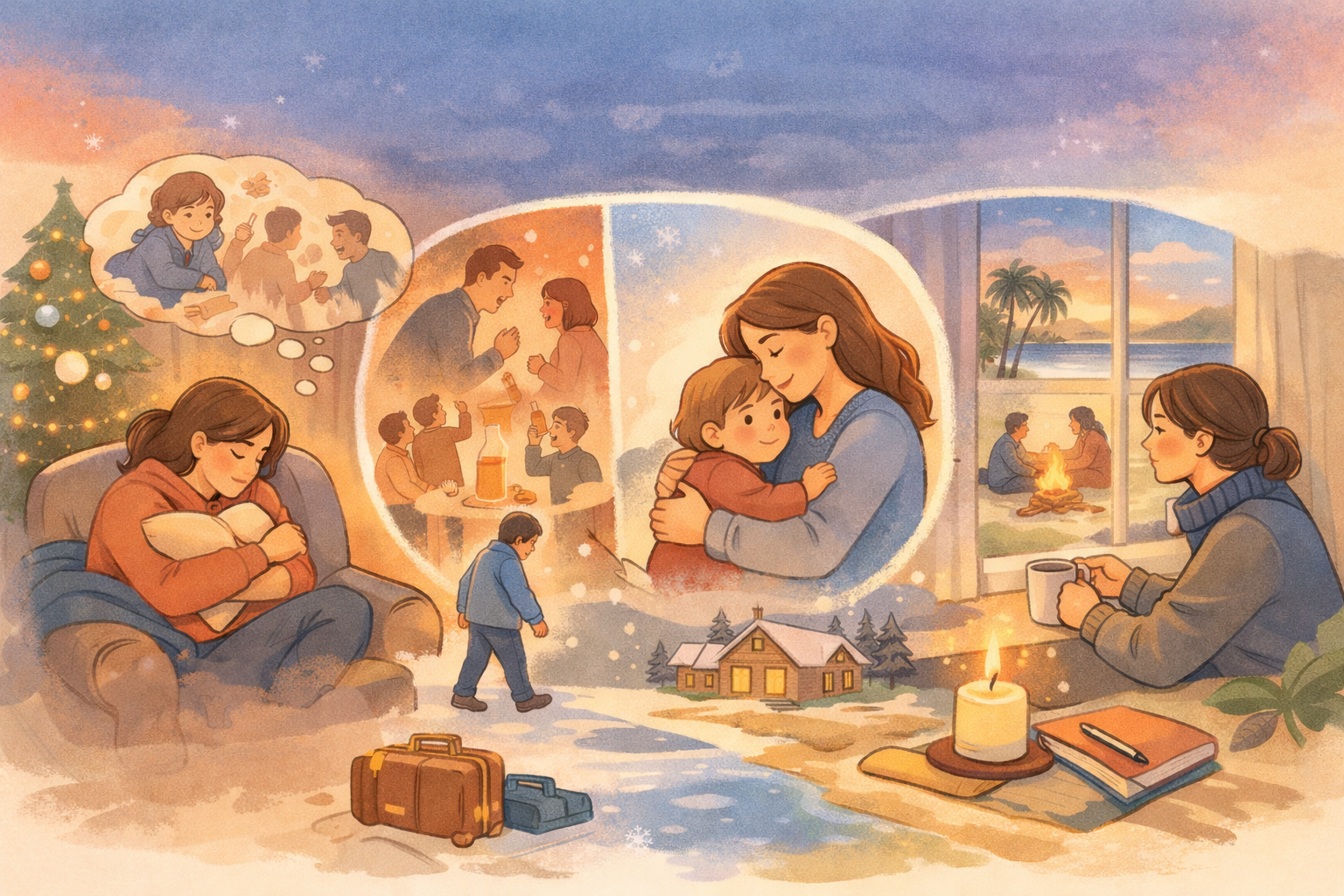
So much of my work at this time of year in trauma therapy involves helping clients prepare for the holidays and manage expectations. When we look at pop culture, advertisements, and even everyday greetings like “Happy Holidays,” there is an underlying message that the holiday season is supposed to be joyful, warm, and filled with connection. And for some people, that is true. But for many others, the holidays can feel stressful, heavy, or emotionally activating.
If you’ve ever wondered why this season feels so hard—or why your body feels tense, anxious, or shut down as the holidays approach—you are not alone. From a trauma-informed care perspective, there are very real reasons the holidays can bring up so much.
Why the Holidays Can Feel So Triggering
From a trauma perspective, holidays are often deeply tied to childhood memories and early family dynamics. Traditions, smells, music, routines, and family gatherings can all act as reminders of the past. If you grew up in a home where holidays were safe, consistent, and nurturing, you may associate this time of year with comfort or joy.
However, if your childhood holidays were marked by chaos, emotional unavailability, substance use, or general dysfunction, your nervous system may have learned to brace itself during this season. Even if you can’t consciously pinpoint why you feel uneasy, your body often remembers.
For some people, the holidays were unpredictable—one year might have felt peaceful, while the next was filled with conflict or fear. That inconsistency alone can create anxiety. Not knowing what to expect can leave your system in a constant state of vigilance, which may show up years later as dread, irritability, or emotional numbness around the holidays.
If you feel anxious, unmotivated, or disconnected during this time of year, it does not mean something is wrong with you. It means your nervous system learned certain associations—and it’s responding the way it was once required to.
Reflecting on Your Personal Holiday History
If you have mixed or difficult feelings about the holidays, I often encourage clients in individual therapy to gently reflect on their own experiences. Consider asking yourself:
-
What were holidays like when I was a child, preteen, or teenager?
-
What are my earliest or strongest holiday memories?
-
What was the general emotional “vibe” in my family during this season?
As you reflect, notice any themes that emerge. Perhaps your parents argued more when they were home from work. Maybe one parent was emotionally or physically absent. You might remember having to manage everyone else’s emotions, or feeling overwhelmed by chaos, drinking, or unspoken tension. For others, the pain comes from loneliness—wanting more connection than was available.
These patterns often exist year-round, but the holidays tend to magnify them. The pause in normal routines can bring family dynamics front and center, making them harder to ignore.
Meeting Yourself With Compassion
As you notice these themes, I invite you to approach them with curiosity and compassion rather than judgment. The version of you who lived through those experiences did the best they could with what they had.
This is where gentle reparenting can be incredibly healing. That might look like acknowledging the pain you went through and offering yourself validation: “That was really hard. You didn’t deserve that. You’re safe now.” Somatic trauma therapy, mindfulness practices, and EMDR therapy can all support processing these memories so they feel less activating over time.
What to Do Moving Forward
Once you have insight into your patterns, the next step is choice. Ask yourself: What do I want my holidays to look like now?
You may choose to create new traditions, celebrate with chosen family, or redefine what the season means to you. For many people, the most challenging part is returning to their family of origin after years of growth and healing. Being back in that environment can suddenly make you feel small again, reopening old wounds.
In relationship therapy and trauma therapy sessions, I often help clients set realistic boundaries around holiday visits. This might mean shortening the length of a trip, building in alone time, scheduling regulating activities, or spending time with family members who feel safer. For some, choosing not to go home at all—at least for one year—can be a powerful act of self-care.
There are also times when the most compassionate option is simply acknowledging, “This will be hard, and I’m choosing to get through it.” Knowing the challenge has an endpoint can sometimes make it more tolerable.
Navigating Loneliness During the Holidays
Another common struggle is feeling alone during the holidays—especially if you live on your own and don’t have a family of your own. Watching others gather can intensify feelings of isolation. If this resonates, consider creating rituals just for yourself, or connecting with community groups, volunteer organizations, or supportive spaces where you can feel a sense of belonging.
You Don’t Have to Do This Alone
Whether you’re navigating family dynamics, healing from emotional abuse, or learning how to regulate your nervous system during this season, support can make a meaningful difference. Trauma therapy, DBT, mindfulness, and somatic approaches can help you move through the holidays with more steadiness and self-compassion.
I offer trauma-informed individual therapy and relationship therapy, including EMDR therapy, for clients in Westlake Village, Thousand Oaks, Agoura Hills, Calabasas, Oak Park, Ventura, Los Angeles, and throughout California via online sessions. If the holidays feel activating for you, working with a therapist can help you understand why—and support you in creating something different moving forward.
You deserve holidays that feel safer, gentler, and more aligned with who you are today.