
Why Am I Scared to Be Alone With My Thoughts?
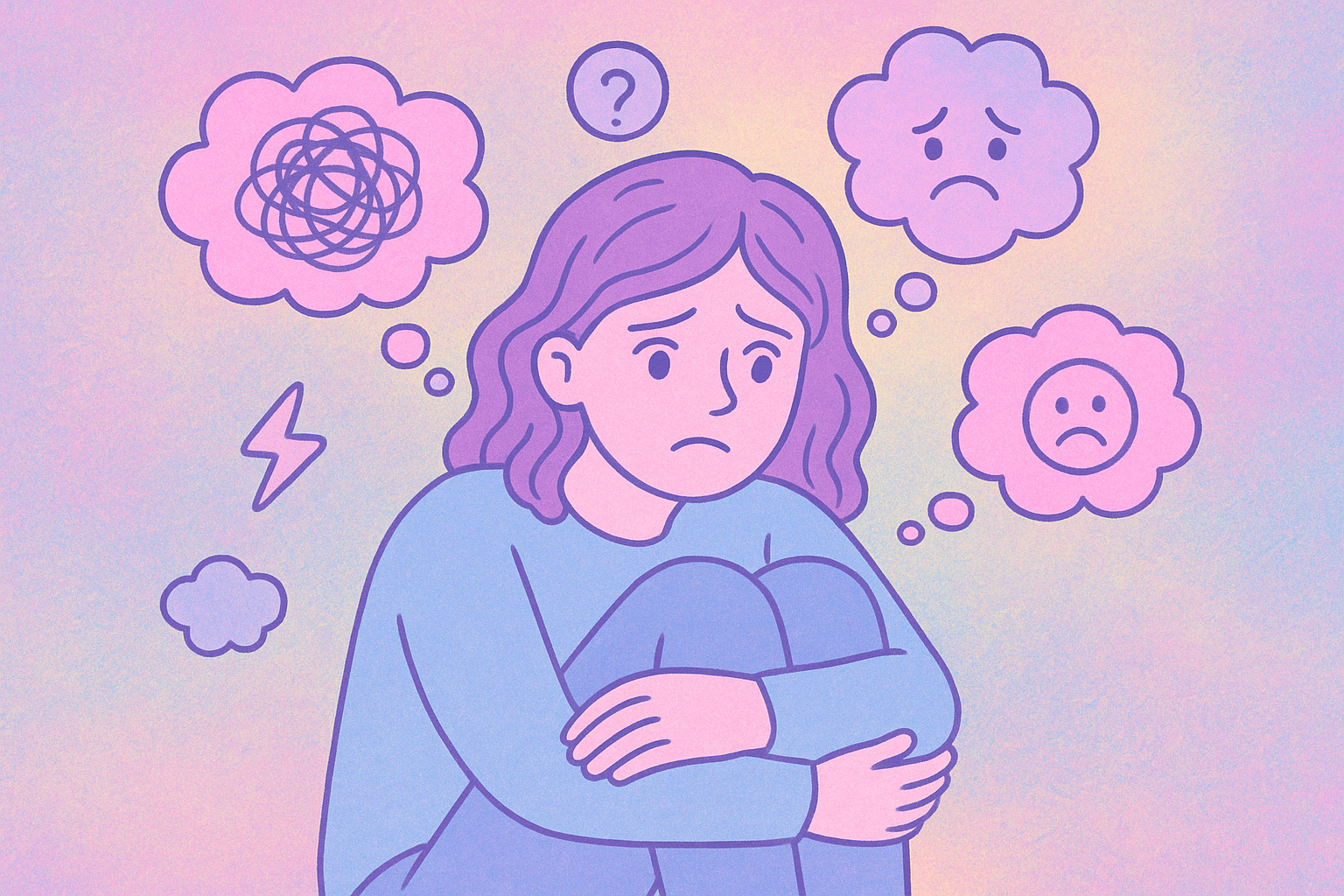
Following up from my previous blog about being alone — specifically the fear of being alone — I wanted to go deeper into this concept. Earlier, I encouraged reflecting on what alone means to you and what comfortable means to you in the context of being comfortable with being alone. Our personal definitions shape the way we understand and treat our fears. But beyond those definitions may be a deeper, more layered emotional landscape that often goes unexplored.
As I have said before, humans are wired for connection. Our brains are literally built with neural systems that orient us toward bonding, attunement, and safety with other people. Historically, we lived in communities and tightly connected groups where solitude was rare. Even though modern life gives us access to technologies that claim to make connection easier, we are more isolated than ever before. This disconnection creates a foundation of vulnerability that impacts our emotional experience of being alone.
With this context, let’s explore what often sits beneath the fear of being alone — especially being alone with your thoughts — from a trauma-informed perspective.
The Trauma Roots of Avoiding Aloneness
People often share that they fear entering relationships, fear dating, fear making new friends, or fear being present in social settings. Rates of social anxiety and social discomfort are incredibly high. But beneath these surface experiences, there is often an origin point: unresolved trauma.
If you grew up with physical abuse, emotional abuse, narcissistic abuse, or chronic invalidation, then vulnerability of being social may feel threatening. You may have learned early on that your emotions, opinions, or intimate inner world could and would be used against you. The betrayal of having your trust misused creates a deep imprint on the nervous system — one that says:
You cannot trust others. You cannot be yourself. Vulnerability leads to harm.
This imprint behaves much like physical injury.
A Quick Note on Emotional vs. Physical Pain
Neuroscientific research shows that emotional pain activates many of the same brain regions as physical pain — including the anterior cingulate cortex and the insula. In studies using functional MRI, experiences such as rejection, abandonment, or emotional betrayal light up the brain’s pain matrix in ways remarkably similar to actual physical injury. In other words, the heartbreak, the betrayal, the fear of vulnerability — your brain registers those as pain. Real pain. And the nervous system remembers.
With that understanding, it becomes clearer why so many people avoid connection: the pain associated with past relationships is real, significant, and long-lasting.
What Does It Mean to Be Afraid of Your Thoughts?
Coming back to the central question — why am I scared to be alone with my thoughts? — I often encourage people to examine what happens internally when there is no distraction.
When you’re alone:
-
Do certain thoughts come forward?
-
Do intrusive thoughts emerge?
-
Do you try to avoid thoughts that feel frightening?
-
Do you only feel “safe” when surrounded by others or external noise and feel more afraid/anxious when alone?
Many people believe they are uniquely broken or uniquely disturbed because they have intrusive or uncomfortable thoughts. But this could not be further from the truth. Intrusive thoughts are extremely common, and nearly everyone experiences them. What varies is how much shame someone attaches to them (or other negative emotions/responses) and how much space they create to acknowledge them (vs. avoiding them or suppressing them).
Acting on intrusive thoughts is a different matter — one that requires clinical attention — but having intrusive thoughts is part of being human.
So instead of asking “Why do I have these thoughts?” I would encourage you to ask:
-
What are the themes of my thoughts?
-
Are they connected to unresolved trauma?
-
Do they reflect emotional pain I haven’t processed?
-
Do they point to grief, rage, fear, or unmet needs?
-
Are they thoughts of escape? Thoughts of wanting someone to stop hurting me? Thoughts of wanting to hurt someone who caused me harm?
It’s important to say clearly:
Many people, especially those who have been abused or neglected, have had moments where they imagined harming the person who harmed them. This is a normal reflection of the human impulse toward justice, self-protection, or anger. Again — acting on it is not advised — but the emotion behind it is valid and common.
Isolation Makes Thoughts Feel Scarier
Part of why thoughts feel so intense when we’re alone is because isolation removes the buffering effect of human connection. When we are disconnected, our thoughts echo louder. Without relational grounding, it can be harder to regulate our nervous systems. And without connection or conversation with others, we can begin to believe our inner experiences are abnormal or shameful.
When you isolate, you lose the opportunity to see how similar your experiences are to the experiences of others.
Your Thoughts Are Messengers, Not Threats
Instead of viewing alone time as a time where your thoughts turn against you, shift toward curiosity:
-
What feelings live beneath these thoughts?
-
Is there grief?
-
Is there anger?
-
Is there unresolved hurt that needs tending to?
Intrusive or uncomfortable thoughts are often symptoms of unprocessed emotional pain. They point toward deeper layers — grief, fear, anger, heartbreak, loneliness, unmet attachment needs.
Work With the Body, Not Just the Mind
When the mind feels overwhelming, return to the body:
-
What sensations do you notice?
-
Where does emotion live physically?
-
Can you journal about it?
-
Can you create art, movement, or expression to release the energy of the emotion/experience?
Engaging the body helps the nervous system metabolize emotion, which can soften intrusive or distressing thoughts.
Being Alone Isn’t Natural — But Healing Is Possible
The fear of being alone is multilayered. It touches on societal disconnection, cultural conditioning, and trauma. If being alone with your thoughts feels terrifying, the root cause is likely not “overthinking” — it’s unprocessed emotional pain seeking attention.
Lean toward yourself with curiosity, not fear.
Your thoughts are not the enemy.
They are invitations to heal.