The Feeling of “The Other Shoe Will Drop”
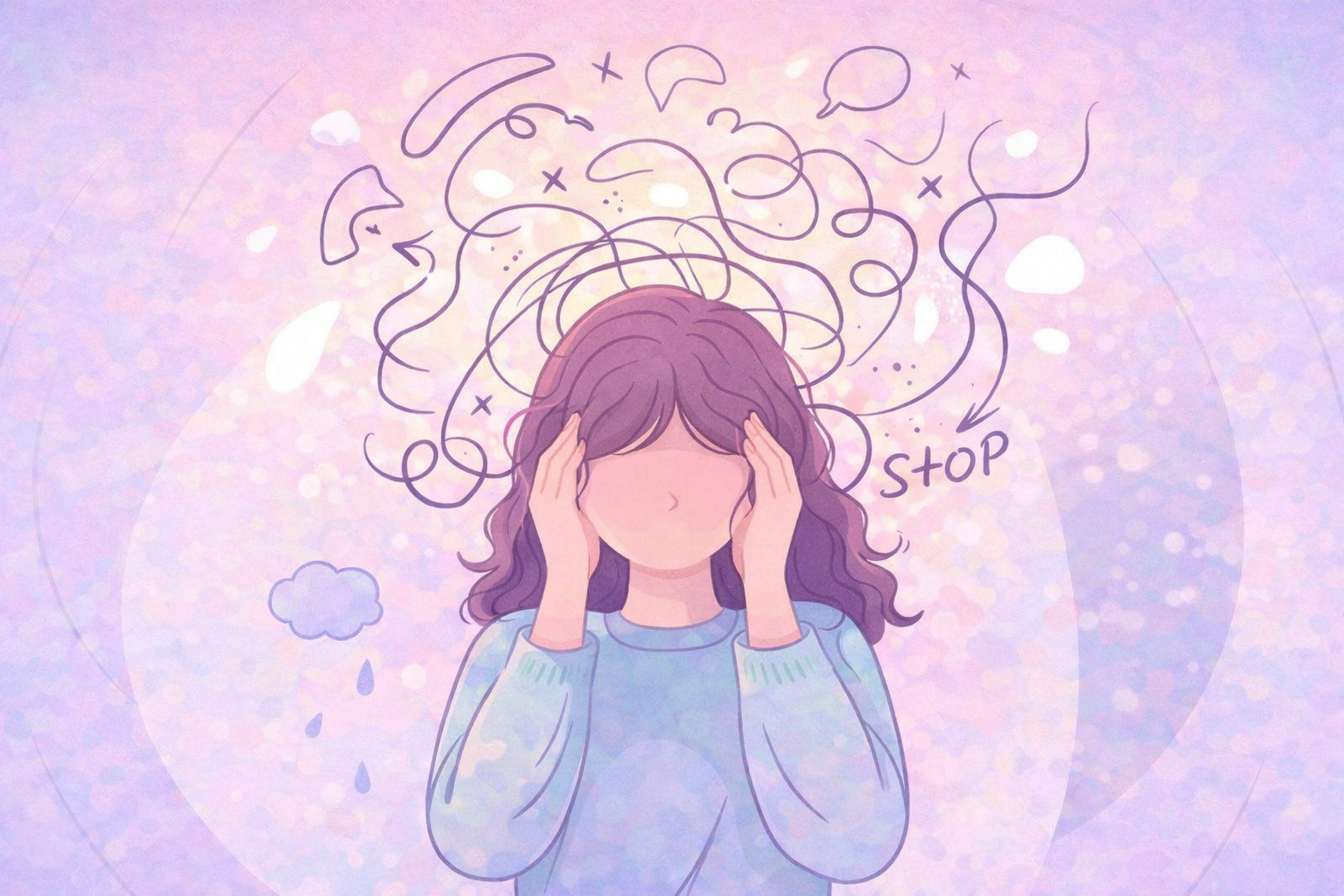
A common experience I see with my clients—and one I’ve personally experienced earlier on in my own healing—is the persistent feeling of “the other shoe will drop.” It’s the sense that something bad is coming, that the next trigger or trauma is right around the corner, that another wave of chaos is waiting for you to manage. Even when things are calm or going well, there’s an underlying vigilance: When will it happen again?
This is not intuition. This is not being “realistic.” This is a trauma response state.
As a licensed trauma therapist providing trauma-informed care, I want to unpack why this feeling develops and how it shows up in adult life—especially in relationships.
Why the Nervous System Expects the Worst
In trauma therapy, including EMDR therapy, somatic trauma therapy, and dialectical behavior therapy (DBT), we understand that trauma fundamentally shapes the nervous system. Trauma teaches the body to stay on alert. When chaos, unpredictability, or emotional instability was part of your early environment, your system adapted by scanning for danger.
Most people have experienced trauma in childhood in one form or another—whether capital-T trauma like physical abuse, sexual abuse, emotional neglect, covert emotional abuse, or narcissistic abuse, or severe psychological abuse, or lower-T trauma such as unavailable parents, inconsistencies in environment, or simply not learning the skills you needed to regulate your emotions as a child. These experiences don’t always look dramatic from the outside, but they leave lasting imprints internally.
As a child, you may have learned:
-
You never knew what mood someone would be in
-
Things could change instantly
-
Calm didn’t last
-
You had to stay prepared
That constant anticipation of danger becomes encoded in the body. Later in life, even when circumstances are stable, the nervous system remains braced for impact.
Reflecting on Childhood Themes
When we explore trauma in individual therapy or relationship therapy, I often invite clients to reflect on the themes of their childhood (sometimes, rather than specific events).
Ask yourself:
-
How did I feel growing up—safe, anxious, responsible, invisible?
-
Was I waiting for something bad to happen?
-
Did I feel like I had to manage other people’s emotions?
-
Did stability feel unfamiliar?
Looking back can be tricky because what we grew up with felt “normal.” We didn’t know anything else. If connecting to childhood feels difficult, look instead at your adult relationships. What patterns keep showing up?
Do you worry people will leave?
Do you brace for conflict?
Do you assume good moments won’t last?
These patterns often point directly back to early nervous system conditioning.
When Good Feels Unsafe
One of the clearest signs of unresolved trauma is how we respond when things go well.
When something good happens, do you:
-
Minimize it?
-
Feel undeserving?
-
Feel anxious instead of joyful?
-
Wait for it to fall apart?
This is the nervous system struggling to tolerate safety. Trauma teaches us that good moments are temporary—or even dangerous. So the body prepares for loss before it happens.
Mindfulness-based trauma therapy helps us notice these reactions without judgment. Awareness is not about blaming the past—it’s about understanding why your nervous system learned to operate this way.
Awareness Is the Beginning of Change
Understanding that your upbringing may have been chaotic, emotionally unpredictable, or unstable often leads to a powerful question: Now what?
Awareness alone doesn’t heal trauma, but it creates choice. Once patterns are named and acknowledged, they no longer run the show unconsciously. From there, healing becomes possible.
It’s also important to say this: if certain patterns truly work for you, they don’t need to change. But if you find yourself unable to enjoy your life, unable to trust calm, or constantly anticipating disaster, that’s information worth listening to.
Shifting from Fear to Faith
One of the most transformative shifts I encourage clients to practice is moving from fear to faith.
Trauma creates fear-based responses that permeate everything—relationships, self-worth, money, success, safety, and pleasure. Faith, in this context, doesn’t necessarily have to be religious or spiritual. It simply means trusting that you can handle life as it comes, without preemptively suffering.
When something good happens, practice:
-
Allowing it instead of bracing against it
-
Trusting that you deserve it
-
Reminding yourself that you will cope well if challenges arise; you don’t have to worry about them now
This shift helps regulate the nervous system, replacing hypervigilance with ease, calm, and groundedness. Somatic trauma therapy is especially effective here, because the body—not just the mind—needs to learn that safety is possible.
You may feel unfamiliar sensations when you invite peace, softness, and stillness. That’s okay. Those sensations might feel foreign at first.
Healing happens slowly, one moment at a time. Healing also happens when you try something new or different.
Trauma Therapy Support in California
If you resonate with this experience, working with a trauma-informed therapist can help you gently retrain your nervous system. I offer trauma therapy, EMDR therapy, individual therapy, and relationship therapy for adults navigating trauma, emotional abuse, narcissistic abuse, and chronic hypervigilance.
I provide online sessions throughout California and in-person sessions in Westlake Village, Thousand Oaks, Agoura Hills, Calabasas, Oak Park, Ventura, and the greater Los Angeles area.
Healing does not mean pretending the past didn’t happen. It means teaching your body that you are no longer living there.
You don’t have to wait for the other shoe to drop. You’re allowed to feel ease, peace, serenity, and joy in your life.